Persephone and Hades: The Myth That Explains the Seasons

Thomas L. Miller
Historian & Writer
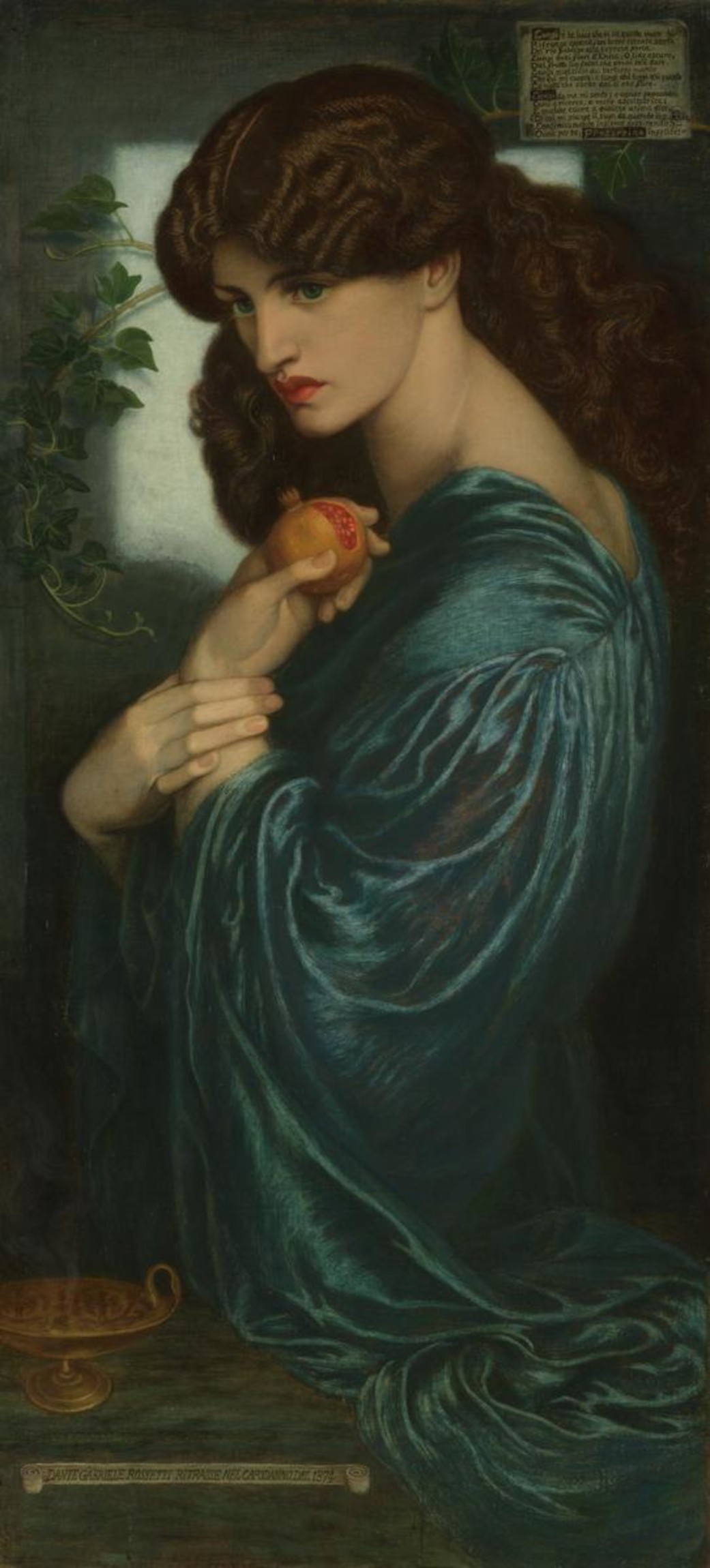
Persephone was the daughter of Demeter, goddess of the harvest, and Zeus, king of the gods. She was gathering flowers in a meadow (in the most famous version, near Enna in Sicily) when the earth opened and Hades, lord of the underworld, seized her and carried her below. Her screams were heard by no one except Hecate (goddess of witchcraft and crossroads) and Helios (the sun), who sees all things. Demeter, not knowing what had happened to her daughter, searched the earth for nine days and nights without eating or resting, carrying torches through the darkness.
When Helios finally told Demeter the truth, that Hades had taken Persephone with Zeus's permission, her grief turned to rage. She withdrew her divine gifts from the earth. The soil became barren, the crops withered, and humanity began to starve. Even the gods were threatened, because no offerings were being made at their altars as the mortals struggled to survive. Zeus sent messenger after messenger to Demeter, asking her to return to Olympus and restore the earth's fertility. She refused until Persephone was returned. Finally Zeus had no choice but to command Hades to release the girl.
Hades complied, but before Persephone left the underworld he gave her pomegranate seeds to eat, knowing the ancient law that anyone who ate the food of the dead could never fully leave. She had eaten four seeds (or six, in different versions), and the compromise reached was that she would spend part of each year in the underworld as Hades's queen and queen of the dead, and the remainder in the upper world with her mother. When Persephone descends each year, Demeter grieves and the earth grows cold and bare: winter. When Persephone returns in spring, Demeter rejoices and the earth blooms again.
The Persephone myth was the theological foundation of the Eleusinian Mysteries, the most important religious ceremonies of ancient Greece. Held at Eleusis, near Athens, the Mysteries re-enacted Persephone's descent and return in secret rituals that initiates were forbidden to reveal. Ancient sources suggest the experience was profoundly moving. Cicero wrote that of all Athens's contributions to civilization, the Mysteries were the greatest, because they gave initiates hope that death was not the end. The myth thus operated on multiple levels simultaneously: as a seasonal explanation, as a theological statement about death and rebirth, and as the basis for a genuine religious experience of transformation.