The Legacy of Ancient Greece: Why It Still Matters Today

Thomas L. Miller
Historian & Writer
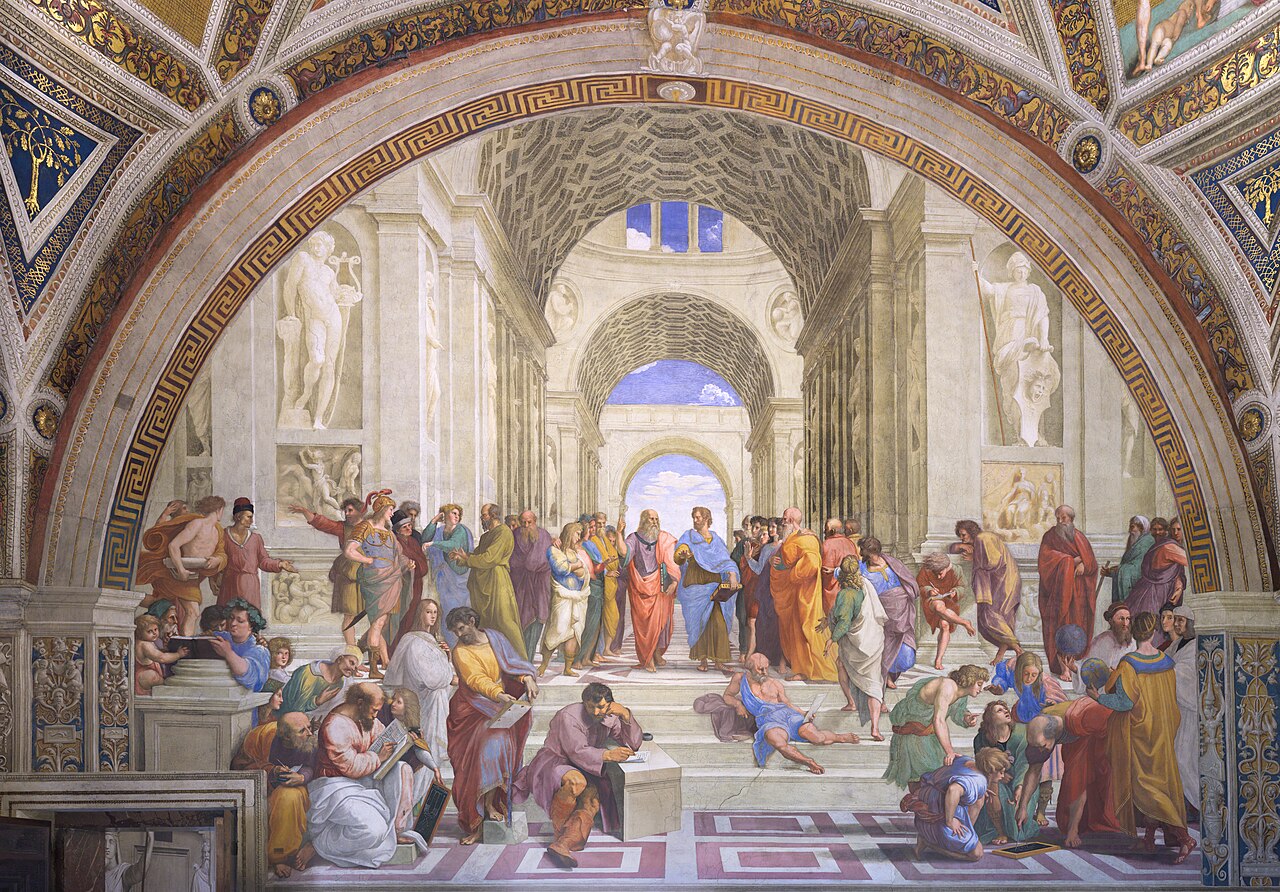
It is a remarkable fact that so much of what defines modern Western civilization, and through Western civilization's global spread, much of what defines the contemporary world, traces its origins to a small collection of city-states on the Greek peninsula and the islands and coasts of the Aegean Sea, in a period of roughly three centuries (roughly 600–300 BCE). In science and philosophy, mathematics and medicine, literature and drama, architecture and political theory, the Greeks did not simply contribute. They founded disciplines, established standards, and asked questions that are still being asked and answered today.
Democracy, the idea that citizens should govern themselves through deliberation and majority decision, was invented in Athens and has been reinvented, adapted, criticized, and defended ever since. Modern representative democracies bear only a partial resemblance to Athenian direct democracy, but the fundamental principle, that political authority derives from the consent of the governed, not from divine right or hereditary status, is the Greek inheritance. Western philosophy, from Plato's Theory of Forms through Aristotle's logic and ethics through the Stoics and Epicureans, provided the conceptual vocabulary within which all subsequent philosophical thinking has occurred. When Descartes asked "What can I know with certainty?" he was asking a Socratic question. When Kant developed his ethics of universal principles, he was responding to Aristotle. When modern political philosophers argue about justice and rights, they are continuing debates that Plato and Aristotle began.
Greek literature and its forms, the epic, the lyric poem, the tragedy, the comedy, the history, remain the foundations of Western literary tradition. Homer's influence on European literature is present in everything from Virgil to Shakespeare to James Joyce's Ulysses. Greek tragedy's exploration of fate, guilt, suffering, and the relationship between individual will and cosmic forces has shaped every subsequent tradition of serious drama. Herodotus and Thucydides invented historical writing, the commitment to gathering evidence, interviewing sources, and analyzing causation rather than simply listing events, giving us the intellectual tools to understand our own past. Greek mathematics, geometry, and early science, from Euclid's geometry to Archimedes' physics to the atomic theory of Democritus, were the starting points from which the Scientific Revolution launched.
Perhaps most importantly, the Greeks gave Western civilization the habit of critical inquiry: the willingness to ask "but is that true?" and "but is that right?" about received wisdom, tradition, and authority. Socrates was executed for this habit; it was dangerous then and remains challenging now. The Greek myths themselves embody this spirit: they are stories that refuse simple moral resolution, that give sympathy to both sides of a conflict, that show gods behaving badly and heroes failing and monsters with tragic backstories. They invite us to think, to question, and to recognize the complexity of experience rather than retreat to comfortable certainties. In a world that constantly tempts us toward simple narratives and unexamined assumptions, the ancient Greeks, in their myths, their philosophy, their art, and their science, remain indispensable companions for the examined life.