The Acropolis of Athens: 2,500 Years on the Sacred Rock

Thomas L. Miller
Historian & Writer
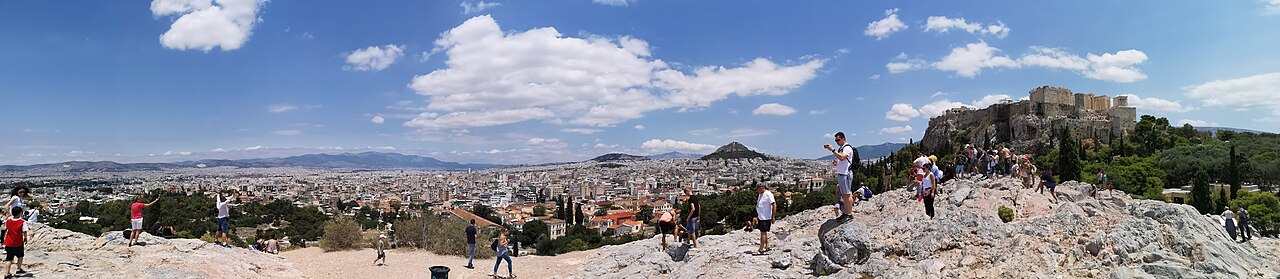
The Acropolis, literally "high city" in Greek, is a flat-topped limestone rock rising about 156 meters above the city of Athens, visible for miles in every direction. It has been inhabited since at least the Neolithic period (around 4000 BCE), and evidence of Mycenaean Bronze Age occupation survives in the form of walls and the remnants of a palace. In the mythological tradition, it was the site of the contest between Athena and Poseidon for the patronage of the city; Athena's gift of the olive tree (a specimen reportedly still growing on the site in antiquity) won her the city's devotion. In the historical period, it served as the religious center of Athens, housing the great temples of the Periclean building program of the fifth century BCE.
The classical building program that gave the Acropolis its enduring form was initiated by Pericles following the Persian sack of 480 BCE. The Parthenon (completed 432 BCE) was the centerpiece, but the program also included the monumental gateway of the Propylaea (completed 432 BCE), the small temple of Athena Nike (completed 420 BCE) perched on the bastion at the entrance, and the Erechtheion (completed 406 BCE) on the north side of the rock, the sacred precinct of the ancient shrine to Athena Polias and the legendary burial place of the city's mythological kings. The Erechtheion's southern porch, supported by six carved female figures (the Caryatids) instead of conventional columns, is one of the most recognizable elements of ancient Greek architecture. The originals are now in the Acropolis Museum; copies stand on the site.
The Acropolis's post-classical history is rich and turbulent. The Parthenon became a Christian church dedicated to the Virgin Mary in the fifth or sixth century CE. After the Ottoman conquest of Athens in 1456, it was converted to a mosque. The Erechtheion became a harem. In 1687, the catastrophic Venetian artillery strike destroyed the Parthenon's interior when the powder magazine stored there exploded. In the nineteenth century, the Ottomans and various European antiquarians stripped the site of remaining sculptures. The Greek state, which took control following independence, has been engaged in a continuous program of preservation, restoration, and scholarly study ever since.
Today the Acropolis receives over three million visitors per year and remains the most recognizable symbol of ancient Greek civilization. The ongoing restoration work, using as much original material as possible and carefully distinguishing new from ancient stone, represents one of the most complex conservation challenges in the world. The new Acropolis Museum, opened at the foot of the rock in 2009, displays the sculptures and artifacts from the site in a building specifically designed so that visitors can see the Acropolis itself through glass walls while studying its treasures. The museum's ground floor is built over an excavated ancient Athenian neighborhood, visible through glass floors. The Acropolis, in every era, has been Athens's living connection to its past and a reminder that the ideals of beauty, reason, and civic life that flourished there remain part of what we aspire to be.