Sparta: The Warrior State That Defined Military Excellence

Thomas L. Miller
Historian & Writer
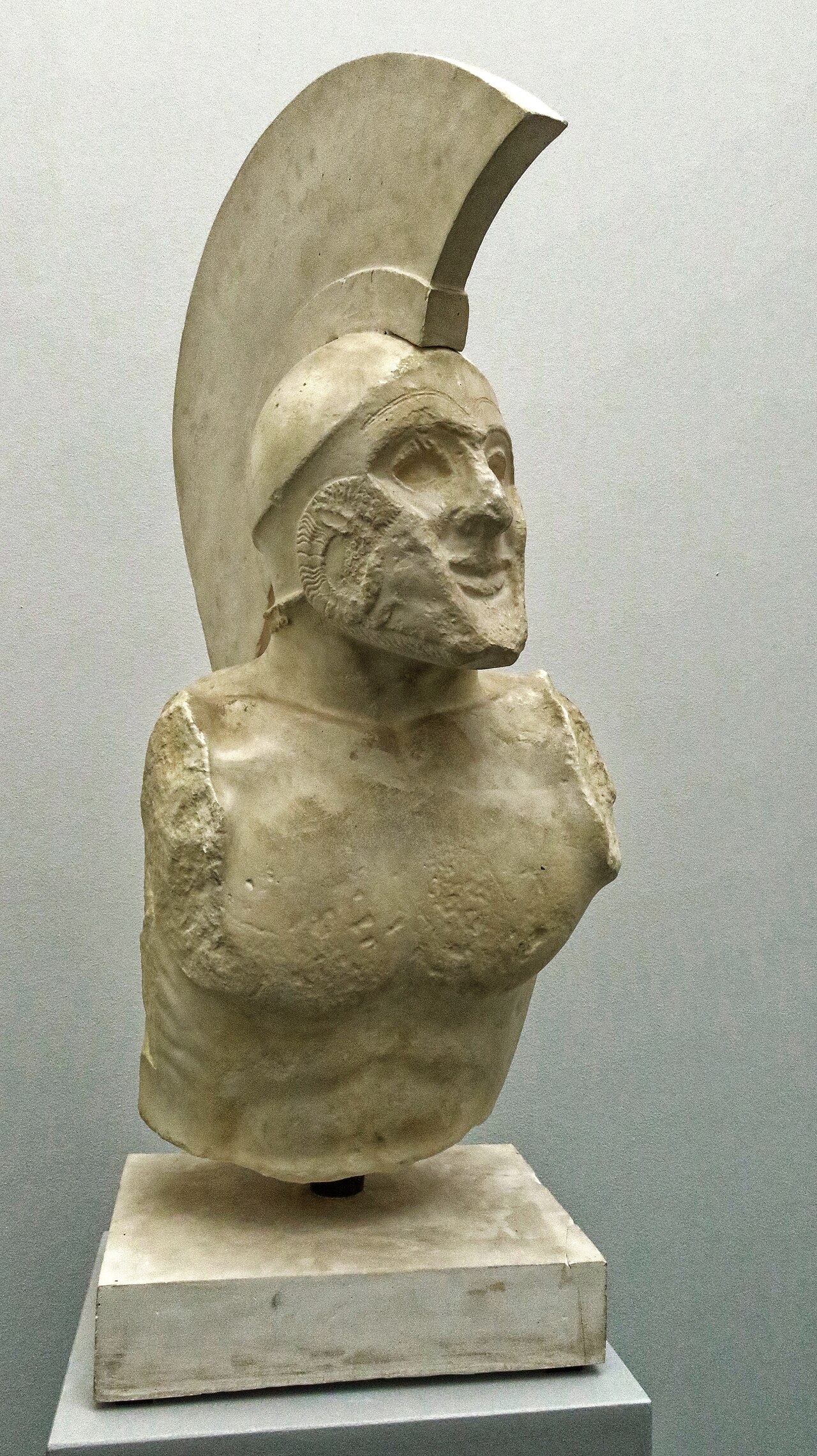
The ancient Spartan state was organized around a single overriding purpose: the production of the most effective warriors in the ancient world. This was not simply a matter of military training. It shaped every aspect of Spartan society, from birth to death. The Spartans were descended from Dorian Greeks who had conquered the native population of Laconia (the region around Sparta in the southern Peloponnese) sometime in the early Iron Age. The conquered peoples became helots, state-owned serfs who outnumbered the Spartans roughly seven to one and worked the land that fed the warrior class. Managing the perpetual threat of helot revolt was the fundamental political problem that shaped Spartan society.
The Spartan educational system, known as the agoge, was the most famous institution in ancient Greece. Boys were taken from their families at age seven and subjected to a rigorous regime of physical training, communal living, deliberate hunger and hardship, military education, and social competition. They slept on rushes they cut themselves, wore minimal clothing in all weather, and were encouraged to steal food but punished severely if caught, not for stealing but for getting caught. At twenty, young Spartan men underwent a secret initiation into the krypteia, a terrifying rite in which they were sent into the countryside alone and expected to kill helots, particularly those who seemed capable of leadership. At thirty, they became full citizens and could live with their wives, but continued to eat and train with their military unit.
Spartan women had significantly more freedom than women elsewhere in Greece: they were educated, exercised publicly, managed their households' estates, and were expected to be physically strong to bear healthy children. The famous Spartan saying attributed to a mother sending her son to battle, "Come back with your shield or on it" (meaning either victorious or dead, since defeated soldiers threw away their heavy shields to run faster), captures the Spartan ethos: cowardice was the ultimate disgrace, for men and women alike. Women could own property and had greater social standing than in Athens, though they were still excluded from political participation.
Sparta's greatest historical moment came at the Battle of Thermopylae in 480 BCE, where 300 Spartans under King Leonidas, together with roughly 700 Thespians and other allies, held a narrow coastal pass against the entire Persian army for three days before being outflanked and annihilated. Leonidas's strategic delaying action allowed the Greek fleet and army to regroup for the decisive victories at Salamis and Plataea. The stand at Thermopylae became the most celebrated act of sacrifice in Greek history and remains a cultural touchstone for military virtue. Yet Sparta's ultimate legacy is more complex: its extreme militarism made it inflexible, its suppression of arts and philosophy produced no lasting intellectual tradition, and the Spartan population dwindled through the very military losses their system glorified. By the second century BCE, Sparta was a tourist attraction, a living museum of ancient customs that had lost all real power.